No products in the cart.




politics
 staffAugust 4, 20252 Mins read333
How Trump Shock and Awe Tactics Win Deals and Rattle Allies
staffAugust 4, 20252 Mins read333 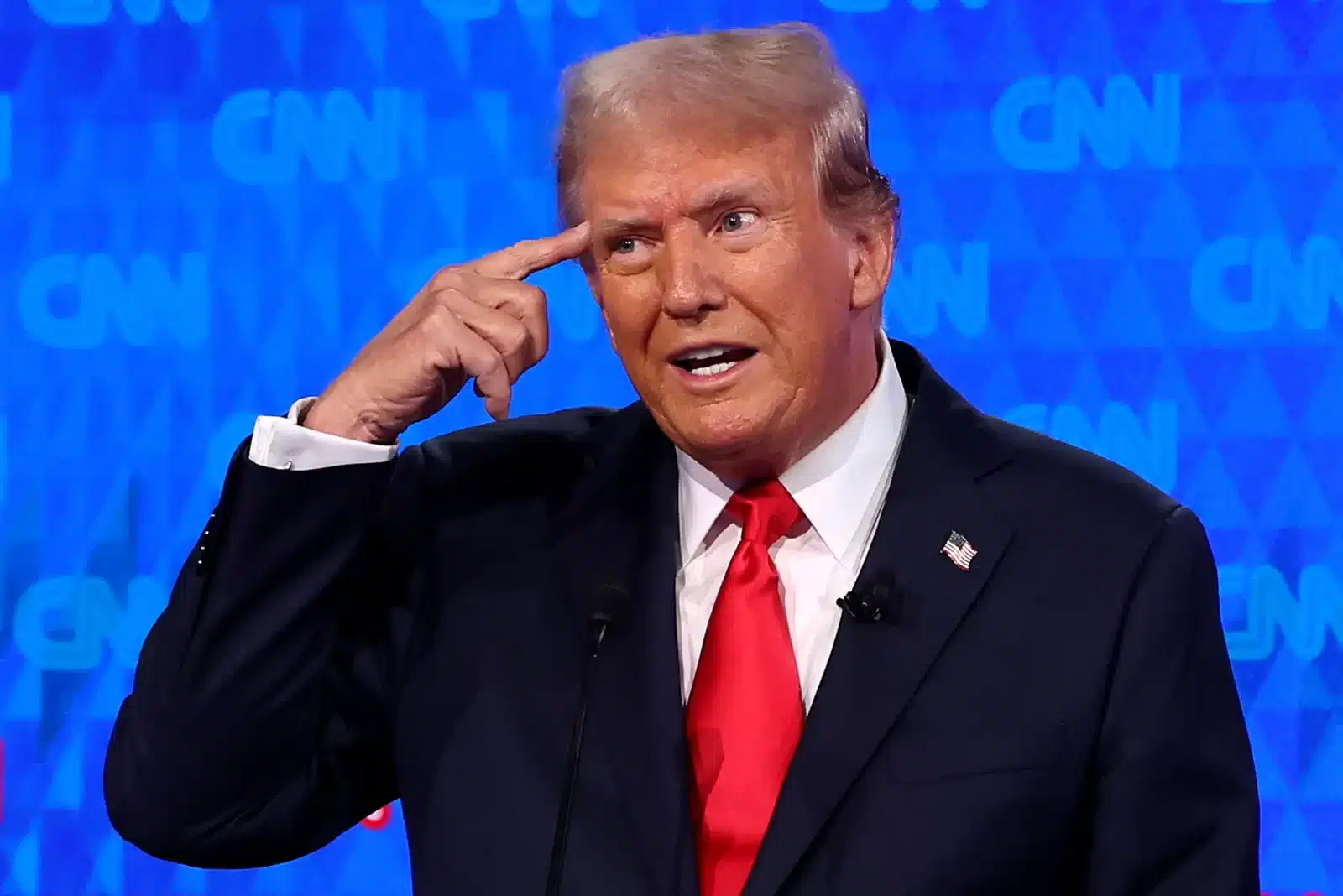
Trump shock and awe tactics are his playbook, and they work like a charm—sometimes.
He goes big, he scares, and then he deals. When tariffs, executive orders, or bombastic threats land, the world flinches.
Europe caves. Trade partners blink. And he claims victory.
Shock Then Deal: The Tariff Playbook
Remember the “Liberation Day” tariff blitz? Trump slapped 10 to 25 percent tariffs on imports from dozens of countries—Canada, Mexico, China included. Markets tanked. People panicked. But right when chaos peaked, deals landed: Europe agreed to a 15 percent ceiling to avoid worse. That asymmetry? It’s classic Trump shock and awe tactics in action
Liberal critics rightly call this manipulation. The EU called it a humiliation. Congressional Democrats denounced it as a tax on households. But behind the outrage, they still signed on. That pendulum swing is his game.
Why It Works—Until It Doesn’t
On the left they see it like this: the unpredictability is intentional. Trump mimics the Nixon madman theory—acting unhinged enough for opponents to concede out of fear. And often they do. Look at how he dwalt with India just recently.
But it doesn’t hold forever. Markets wobble. Allies lose trust. Canada and Mexico delay retaliation—or respond in kind. Eventually even U.S. courts strike down parts of his tariffs as executive overreach, calling them unconstitutional under IEEPA
Liberal Critiques and Backlash
Mainstream liberals view this strategy as reckless and punishing. Congressional Democrats tried to block tariffs before they took effect and forced key Republicans to break ranks. They argue these tactics do nothing to help working families and risk isolating the U.S. on the world stage
Longtime left voices see this as not just economic coercion but cowboy diplomacy—throwing thunderbolts without thinking about fallout. It fails the empathy test—the people bearing the cost come first.
What Can You Learn?
-
Aggression can generate short-term wins, but it breeds long-term resentment.
-
Shock tactics leverage fear—but if you’re too predictable, the world learns the bluff.
-
Deals done under duress may come with hidden consequences for credibility and trust.
-
Sometimes walking away or turning the table is smarter than flinching.
Trump shock and awe tactics rest on making threats feel real. They force bargains from chaos. They can lead to results—sometimes real outcomes, sometimes smoke and mirrors.
But as liberals see, those tricks also erode trust, tank markets, and punish everyday people. The lesson here is simple: shock moves history faster, but empathy and negotiation fix it better in the long run.
Because at the end of the day, shock tactics might get you deals—but they don’t win you friends or build lasting power.
Read more – Why Movies as Political Tools Get Misread by the Very People They’re Warning




Related Articles
politics staffSeptember 8, 2025
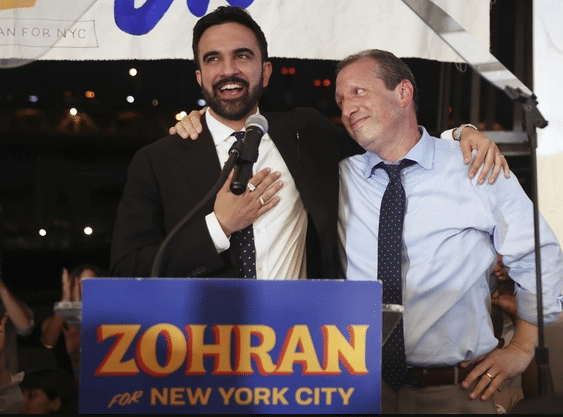
This Millennial from NY Is Reshaping Online Political Campaigning
Spread the loveSo here’s the sitch. Zohran Mamdani, a millennial socialist from...
staffSeptember 8, 2025 
animepolitics staffAugust 12, 2025
How Neo-Nazi Anime Imagery Is Being Used to Sanitize Fascism Online
Spread the loveLet’s get this straight — neo-Nazi anime imagery is not...
staffAugust 12, 2025 
EntertainmentMoviespolitics staffJuly 22, 2025
Why Movies as Political Tools Get Misread by the Very People They’re Warning
Spread the love Some of the most powerful movies ever made were...
staffJuly 22, 2025 

Moviespolitics staffJune 30, 2025
Movies as Political Tools: How Film Shapes Power
Spread the loveWe act like movies are just entertainment. They’re not. From...
staffJune 30, 2025