No products in the cart.




animepolitics
 staffAugust 12, 20252 Mins read316
How Neo-Nazi Anime Imagery Is Being Used to Sanitize Fascism Online
staffAugust 12, 20252 Mins read316 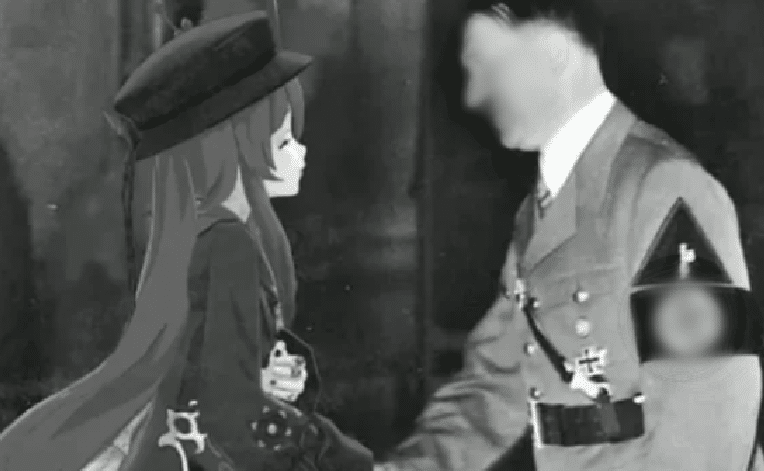
Let’s get this straight — neo-Nazi anime imagery is not a joke. It’s not irony. It’s not edgy meme culture. It’s a calculated, soft-faced mask slapped over violent, extremist beliefs.
On corners of the internet from obscure Discord servers to high-engagement X threads, you’ll find Mussolini smiling next to a moe anime girl.
You’ll see kawaii-style characters wearing Nazi armbands, saluting, or standing beside tanks and dictators like it’s a fan edit. When people call it out, the usual excuse is: “It’s just for fun.” But it’s not. It’s strategy.
The Cuteness Cover: How It Works
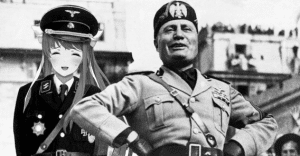
The power of neo-Nazi anime imagery lies in its visual contradiction. Anime — especially the pastel, big-eyed, soft-colored kind — signals innocence, harmlessness, fandom. When that’s paired with historical symbols of fascism and genocide, it creates cognitive dissonance.
And that’s the point.
It disarms criticism. It turns serious ideology into “just aesthetics.” The result? Fascism gets normalized. It’s not scary anymore — it’s “quirky.” It’s “based.” It’s “just memes.”
That plausible deniability gives bad actors exactly what they want: attention without accountability.
Irony Poisoning and the Soyjak-Wojak Pipeline
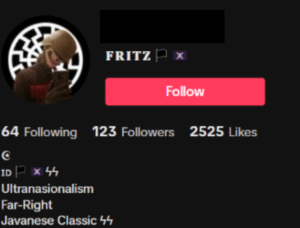
This isn’t just about anime. The same mechanics are behind soyjak edits, Wojak culture, and “ironic” redpills. Fascist aesthetics get dumped into meme formats and then pushed across anonymous boards like 4chan or meme-laced Twitter/X pages.
The whole idea is to smuggle extremism into the timeline dressed like a shitpost. If someone calls it out, they’re told they “don’t get the joke.” But the joke always punches down. It always serves the same agenda.
And with neo-Nazi anime imagery, it becomes even harder to parse — because it looks so disconnected from real-world violence. But the symbolism is precise. These aren’t random edits. They’re calculated.
Why This Isn’t Harmless
You don’t get to wrap hate in cuteness and then pretend it’s nothing. A drawing of a waifu next to a fascist dictator doesn’t “soften” history — it distorts it. It makes fascism feel safe. Playful. Even cool.
And this is especially dangerous for younger audiences — people who grow up seeing this stuff repeated over and over without context. Algorithms don’t care if something is satire. If it gets engagement, it spreads.
Neo-Nazi anime imagery exploits that. It turns history into content. And once that’s done, the facts don’t matter — the vibe does.
Neo-Nazi anime imagery is not just edgy fan art. It’s part of a bigger movement to repackage hate in digestible, viral formats. Whether it’s a waifu doing a Roman salute or a pastel Mussolini meme, the message underneath stays the same — it’s just hidden behind aesthetics.
And if you think it’s just ironic, ask yourself: ironic for who?
Because someone, somewhere, is taking it seriously.
And they’re hoping you don’t.
Read more – Why Movies as Political Tools Get Misread by the Very People They’re Warning

Related Articles
politics staffSeptember 8, 2025
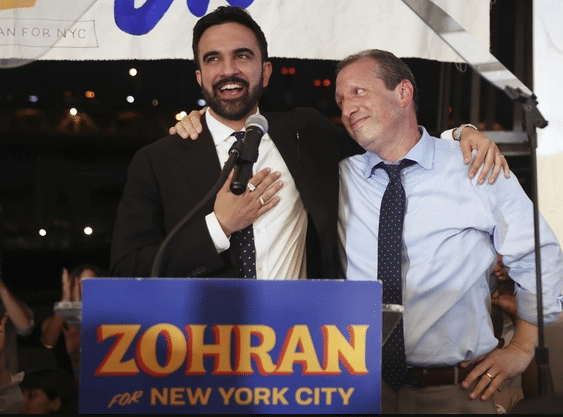
This Millennial from NY Is Reshaping Online Political Campaigning
Spread the loveSo here’s the sitch. Zohran Mamdani, a millennial socialist from...
staffSeptember 8, 2025 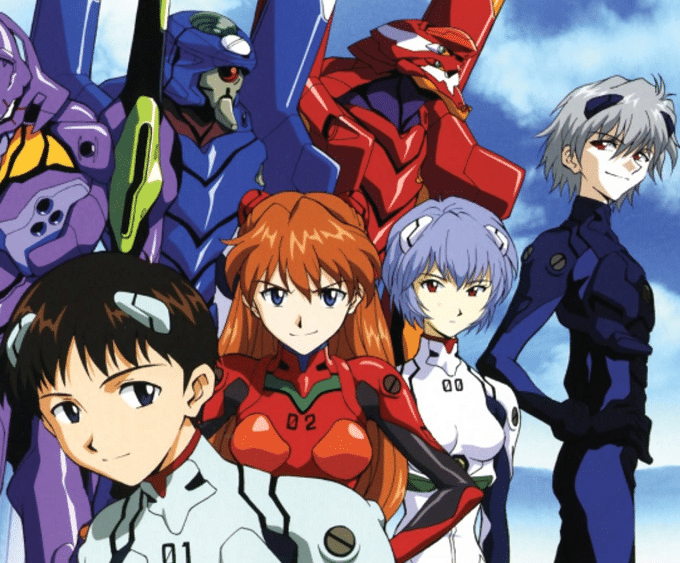
anime staffSeptember 1, 2025
Why You Should Watch Evangelion in 2025
Spread the loveThere are some shows you do not just watch, you...
staffSeptember 1, 2025 
politics staffAugust 4, 2025
How Trump Shock and Awe Tactics Win Deals and Rattle Allies
Spread the loveTrump shock and awe tactics are his playbook, and they...
staffAugust 4, 2025 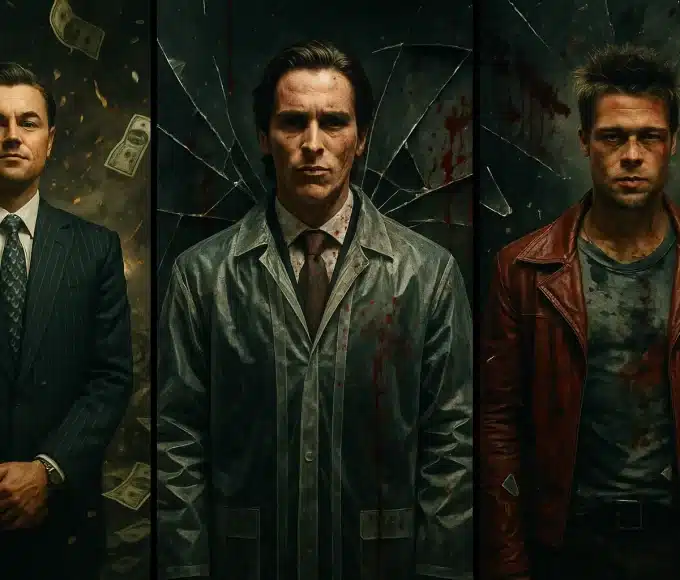

EntertainmentMoviespolitics staffJuly 22, 2025
Why Movies as Political Tools Get Misread by the Very People They’re Warning
Spread the love Some of the most powerful movies ever made were...
staffJuly 22, 2025